
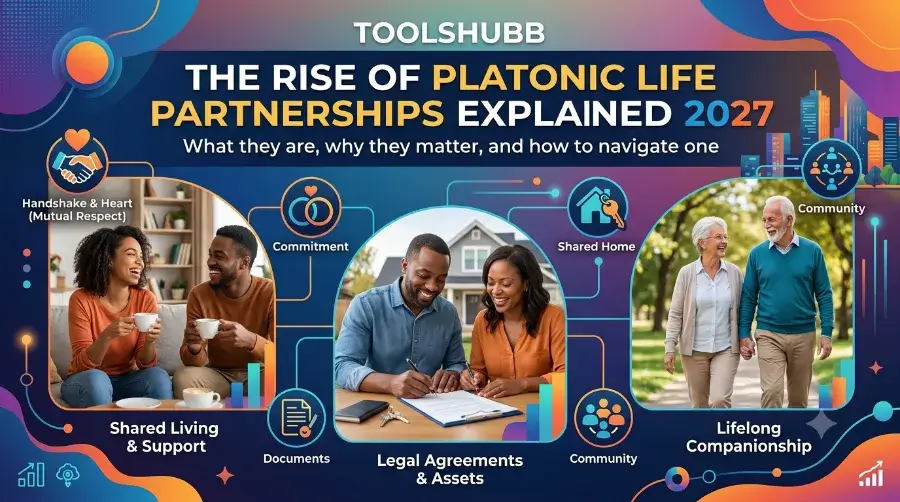

Somewhere between a best friend and a spouse, a new kind of bond is quietly taking over modern love. It has no ring finger tradition, no wedding registry template, and yet it comes with mortgages, shared grocery lists, and matching pet names. This is the rise of platonic life partnerships, and it is changing how an entire generation defines commitment. In short, more people are choosing a steady, romance free partnership built on loyalty and shared life goals instead of chasing the unpredictable spark of traditional dating, and the shift is driven by rising living costs, dating fatigue, and a growing belief that friendship can carry the weight of a lifelong bond just as well as romance can.
How Pets Affect Relationship Compatibility and Bonding (2026 Guide)
TL;DR: Platonic life partnerships are committed, non romantic relationships where two people share a home, finances, and long term plans without romance or physical intimacy. The trend is growing fast because of rising living costs, dating fatigue, and a wider cultural shift toward valuing friendship as a foundation strong enough to build a life on.
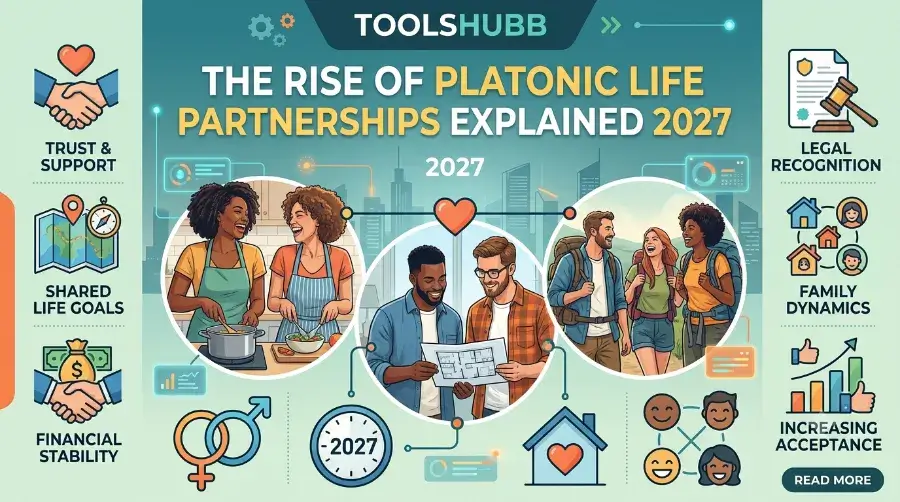
Before diving deeper, here is a quick snapshot of everything this guide covers.
| Key Takeaway | What It Means For You |
|---|---|
| A platonic life partnership is a committed, non romantic bond | Two people build a life together through trust and shared goals, not romance |
| The trend has old roots but a new name | Historical “Boston marriages” and modern platonic partnerships share the same spirit |
| Economic pressure is a major driver | Rising housing and living costs push people toward shared, stable partnerships |
| Queerplatonic relationships expand the definition | Aromantic and asexual communities helped popularize non romantic commitment |
| Real couples are already living this way | From co-owned homes to shared parenting, these bonds are proving durable |
| Communication is the real glue | Clear expectations, not romance, keep platonic partnerships strong |
What Exactly Is a Platonic Life Partnership?
A platonic life partnership, often shortened to PLP, is a committed relationship between two people who share their lives the way romantic couples do, minus the romance or physical intimacy. Think shared finances, a shared home, and long term plans, all built on friendship rather than butterflies. It is one of the clearest examples of non romantic life partnerships gaining mainstream acceptance today.
Why Some Relationships Work Better With Separate Social Lives
Unlike a casual roommate setup, a PLP is treated as someone’s primary relationship. Partners often describe each other using the same language couples use, calling one another their person, their teammate, or simply their partner. They may raise children together, co-own property, or list each other as emergency contacts and beneficiaries. The emotional depth mirrors marriage, yet the foundation is friendship first.
This distinction matters because it separates a PLP from ordinary friendship. Regular friends drift in and out of daily life. Platonic life partners build their entire routine around each other, the same way spouses do. That structural commitment is exactly why so many therapists and sociologists now treat this as a real relationship category rather than a passing trend. you can read The Impact of Shared Humor on Long Term Relationship Success.
This Isn’t New: A Quick History Behind the Trend
While social media makes platonic life partnerships feel like a fresh invention, similar arrangements go back centuries. In the late 1700s, two women known as the Ladies of Llangollen famously left their families in Ireland, moved to Wales together, and built a shared life that lasted decades. In the 1800s, American culture had a name for this too, calling it a Boston marriage, describing two women who cohabited and supported one another without a romantic label attached.
Some of those historical partnerships were quietly romantic, some were not, and honestly, only the people inside them ever really knew. What stayed consistent was the pattern: two people choosing loyalty and shared living over solitude or a conventional marriage. Today’s version simply has better vocabulary, more visibility, and a lot more social permission.
Why the Platonic Life Partner Trend Is Exploding Right Now
Several forces are colliding at once, and together they explain why the rise of platonic life partnerships feels so sudden. None of these forces work alone. Instead, they stack on top of each other, which is why the trend has grown so quickly since the early 2020s.
The Housing and Money Squeeze
Money is arguably the single biggest driver behind this shift. Rent, groceries, and childcare have climbed faster than wages in most major cities across the United States and Europe, and splitting those costs with a trusted friend simply makes financial sense. Research on housing patterns found that cohabitation among unmarried roommates increased by roughly 30 percent since the year 2000, a figure that lines up neatly with the broader economic squeeze many households are feeling today.
If you and a partner, romantic or platonic, are trying to figure out how shared money changes a relationship, our guide on financial independence and modern relationship dynamics breaks down exactly how income and shared expenses reshape commitment in either direction.
The Dating Pool Imbalance
There is also a numbers problem. Analysts studying the dating market have pointed to a growing imbalance where an increasing share of successful, relationship ready women are competing for a shrinking pool of commitment willing men, particularly in cities with strong job markets. That imbalance leaves many people feeling like traditional dating is a low odds game, and platonic partnership starts to look like a rational, lower risk alternative rather than a consolation prize.
Emotional Outsourcing and Distributed Intimacy
A newer pattern researchers are tracking is something called emotional outsourcing, where people spread their emotional needs across multiple relationships instead of expecting one romantic partner to be everything at once. One recent industry survey found that nearly half of respondents were open to having separate partners for physical and emotional needs, and more than a third said they wanted a platonic soulmate to help fill emotional gaps a single relationship cannot cover. This mirrors exactly what platonic life partnerships offer: deep emotional reliability without the pressure of romantic exclusivity.
If this idea of separating physical closeness from long term commitment interests you, our piece on why some couples thrive living apart together explores a closely related trend among people who choose independence without giving up partnership. you can also read our lattest blog on How Travel Changes the Way Couples See Compatibility (2026 Guide)
Interestingly, broader social network research analyzing well over a trillion digital social ties found that the gender divide within people’s closest circles of friends is steadily narrowing, meaning men and women are increasingly viewing each other as people first rather than through a purely romantic or sexual lens. That structural shift in friendship patterns is quietly fueling the platonic partnership boom too.
Queerplatonic Relationships Explained
No conversation about non romantic life partnerships is complete without mentioning queerplatonic relationships, often abbreviated as QPRs. The term started inside asexual and aromantic online communities in the 2010s, created because existing words like friend, partner, or significant other simply did not capture what these bonds felt like. Aromantic people, meaning those who experience little to no romantic attraction, and asexual people, meaning those who experience little to no sexual attraction, needed language for relationships that were clearly more significant than friendship but were not romantic or sexual either.
A queerplatonic relationship can look different for every couple involved, which is part of the point. Some QPR partners live together and build a shared household, some raise children together, and some even hold commitment ceremonies without calling it marriage. Among people who identified as aromantic in one large community survey, nearly 15 percent reported already being in a non-romantic partnership of this kind, showing this is far from a fringe idea within that community. Why Open Communication About Exes Matters in New Relationships
What makes queerplatonic relationships important to this broader trend is that they proved, years before platonic life partnerships went mainstream on social media, that committed non romantic bonds can be just as stable, intimate, and life shaping as romantic ones. The wider platonic life partner movement essentially borrowed that blueprint and brought it into the mainstream conversation.
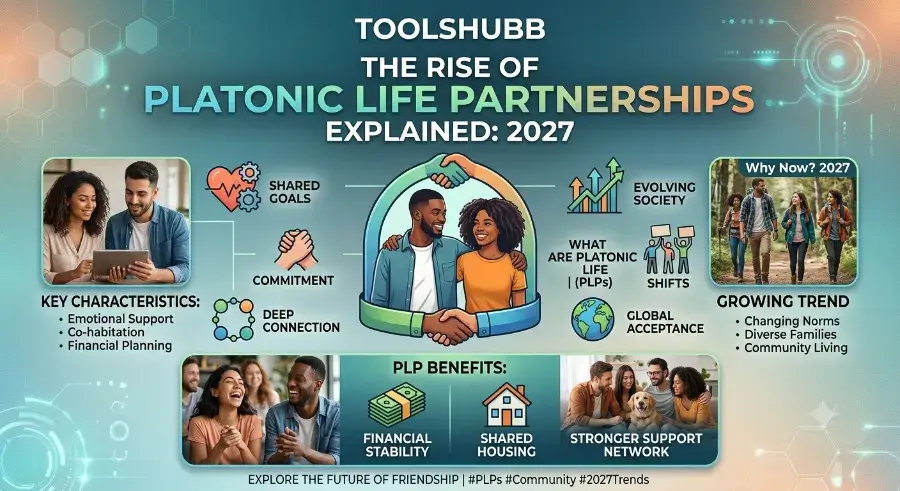
Real Stories: Case Studies From 2024 to 2026
Numbers only tell half the story, so here are real patterns showing up again and again.
- In late 2020, a couple made headlines after choosing to platonically marry so they could adopt and raise a son together, describing their bond as a committed partnership built entirely without romance or sex, proving the model can support full family life.
- On TikTok, the hashtag tied to platonic life partners has crossed more than 13.5 million views, with creators regularly documenting milestones like buying a home together, adopting pets, or hosting commitment style celebrations, complete with rings.
- By 2026, platonic companionship has also become common among older adults, with many widowed or divorced seniors choosing to live apart together rather than remarry, protecting their finances while still gaining companionship, a pattern researchers link to measurable mental health benefits.
- Platonic co-parenting apps have grown sharply in just a few years, with one platform reporting user growth from roughly 30,000 users six years ago to around 100,000 by 2025, showing that shared parenting without romance is becoming a planned choice rather than an accident.
These stories share a common thread. People are not stumbling into platonic partnerships by accident. They are actively choosing them after weighing what actually makes a life feel stable.
The Data Behind the Rise of Platonic Life Partnerships
Here is a snapshot of the numbers driving this conversation.
| Data Point | Figure | Source Context |
|---|---|---|
| Roommate cohabitation increase since 2000 | Up 30% | Housing market analysis |
| Aromantic respondents already in a non-romantic partnership | 14.6% | Aromantic Census 2020 |
| People open to separate emotional and physical partners | 48% | Millennial intimacy survey, 2026 |
| People wanting a platonic emotional soulmate | 36% | Millennial intimacy survey, 2026 |
| TikTok views on platonic life partner hashtag | 13.5 million plus | Social platform data |
| Platonic co-parenting app users, single platform | 30,000 to 100,000 in 6 years | Industry growth data |
The Rise of Platonic Life Partnerships: Key Numbers at a Glance
Roommate cohabitation growth since 2000: ▓▓▓▓▓▓░░░░░░░░░░░░░░ 30%
Open to separate emotional and physical partners: ▓▓▓▓▓▓▓▓▓▓░░░░░░░░░░ 48%
Want a platonic emotional soulmate: ▓▓▓▓▓▓▓░░░░░░░░░░░░░ 36%
Aromantic respondents already in a non-romantic partnership: ▓▓▓░░░░░░░░░░░░░░░░░ 14.6%
Here is the full corrected version of that section of the post, with the HTML chart replaced:
The Data Behind the Rise of Platonic Life Partnerships
Here is a snapshot of the numbers driving this conversation.
| Data Point | Figure | Source Context |
|---|---|---|
| Roommate cohabitation increase since 2000 | Up 30% | Housing market analysis |
| Aromantic respondents already in a non-romantic partnership | 14.6% | Aromantic Census 2020 |
| People open to separate emotional and physical partners | 48% | Millennial intimacy survey, 2026 |
| People wanting a platonic emotional soulmate | 36% | Millennial intimacy survey, 2026 |
| TikTok views on platonic life partner hashtag | 13.5 million plus | Social platform data |
| Platonic co-parenting app users, single platform | 30,000 to 100,000 in 6 years | Industry growth data |
For readers who like a quick visual, here is the same data shown as a simple text based bar chart. It reads clearly on its own and needs no code, image, or plugin to display correctly inside the post.
The Rise of Platonic Life Partnerships: Key Numbers
Roommate cohabitation growth since 2000
▓▓▓▓▓▓░░░░░░░░░░░░░░ 30%
Open to separate emotional and physical partners
▓▓▓▓▓▓▓▓▓▓░░░░░░░░░░ 48%
Want a platonic emotional soulmate
▓▓▓▓▓▓▓░░░░░░░░░░░░░ 36%
Aromantic respondents in a non-romantic partnership
▓▓▓░░░░░░░░░░░░░░░░░ 14.6%
Benefits and Genuine Challenges
Like any relationship model, platonic life partnerships come with real upsides and real trade offs.
Benefits people commonly report include:
- Lower financial risk since two incomes support one household without romantic pressure attached
- Consistent emotional support that does not depend on maintaining physical chemistry
- Freedom to still date, explore romance, or remain single without disrupting the core partnership
- A built in support system for parenting, aging, or health emergencies
Challenges worth planning for include:
- Outside family members sometimes struggle to understand or respect the arrangement
- Legal protections for platonic partners are still limited in most countries, unlike marriage
- Jealousy can appear if one partner starts a serious romantic relationship elsewhere
- Ending the partnership can feel just as complicated as a divorce, especially with shared property
If you are curious how your own values around commitment compare to a partner’s, our relationship advice generator tool offers a quick, personalized starting point for that conversation.
Building One: Steps for a Healthy Platonic Life Partnership
Anyone considering this path can benefit from a clear process rather than an assumption that friendship alone will hold everything together.
- Have an honest conversation about expectations, including finances, living arrangements, and whether either person plans to date romantically.
- Put major shared decisions in writing, especially property, joint accounts, and parenting responsibilities if children are involved.
- Agree on how outside romantic relationships will be handled so nobody feels blindsided later.
- Revisit the agreement regularly, since needs change the same way they do in any long term relationship.
- Build a support network beyond each other, so neither person becomes the sole source of emotional support.
Couples curious about how their communication styles and long term values line up often start with our love compatibility tool, which works just as well for platonic partnerships as it does for romantic ones.
Career Stress Spills Into Relationship: How Job Pressure Hurts Love
What This Means for the Future of Commitment
The bigger picture here connects to a wider cultural shift already underway. Our earlier guide on how modern couples define commitment explores how flexible, values based partnerships are quietly replacing rigid, one size fits all relationship templates, and platonic life partnerships are one of the clearest examples of that shift in action.
As this trend continues, expect more legal conversations too. Some advocacy groups are already pushing for reciprocal beneficiary rights and shared healthcare access for non romantic partners, similar to protections currently reserved for married couples. Until laws catch up, most platonic life partners rely on wills, power of attorney documents, and joint account agreements to protect themselves.
Frequently Asked Questions
Is a platonic life partnership the same as being roommates?
Not quite. Roommates typically share space to split costs, while platonic life partners treat each other as a primary, long term commitment, often including shared finances, parenting, or lifelong plans.
Can a platonic life partnership include people who are married to other people?
Yes, in some cases. Some platonic partnerships exist alongside separate romantic relationships, though most partners prefer to clarify this boundary early to avoid confusion.
Are queerplatonic relationships only for LGBTQ+ people?
No. While the term began in aromantic and asexual communities, queerplatonic relationships are now used by people across many identities to describe deep, non romantic commitment.
Do platonic life partnerships hold up legally like marriage?
Generally not yet. Most countries do not offer the same legal protections, so partners often rely on legal documents like wills or joint ownership agreements instead.
Can a platonic life partnership turn romantic later?
It happens sometimes, though many partners specifically choose this model because they do not want romantic pressure. Clear communication prevents confusion if feelings shift.
Quick Quiz: What Kind of Life Partner Are You?
Answer these five questions to see which relationship style fits you best.
- What matters most to you in a long term partner?
A) Someone who shares my daily routine and goals
B) Someone who gives me butterflies
C) Someone who is financially independent from me - How do you feel about combining finances with someone you are not dating?
A) Completely comfortable if trust is there
B) Only with a romantic partner
C) I prefer to keep finances fully separate - What role does romance play in your ideal commitment?
A) It is optional, not required
B) It is essential
C) It depends on the timing of my life - How would you describe your closest friendship right now?
A) Like a life partner already
B) Close, but strictly platonic in the traditional sense
C) Casual and low commitment - If you had to choose one word for your ideal partnership, which fits best?
A) Stability
B) Passion
C) Freedom
Answer Key:
Mostly A’s: You are naturally suited to a platonic life partnership, valuing stability and loyalty over romantic intensity.
Mostly B’s: You lean toward traditional romantic commitment and likely feel most fulfilled with a romantic partner at the center of your life.
Mostly C’s: You value independence and may thrive in a flexible arrangement, whether that is living apart together or a low commitment structure.
Conclusion
The rise of platonic life partnerships is not a rejection of love. It is a redefinition of it. Rising costs, dating fatigue, and a generation more comfortable questioning old templates have combined to make friendship based commitment feel not just acceptable, but genuinely appealing. Whether it takes the shape of a queerplatonic bond, a co-parenting partnership, or two best friends buying a house together, the underlying message is the same: connection matters more than the label attached to it. As more people share their stories openly, expect this once quiet trend to keep moving further into the mainstream, reshaping what commitment looks like for years to come.
References
- Franco, M. G. Platonic Life Partnerships Unveiled. Available at drmarisagfranco.com
- Dazed Digital. BFFs, but make it official: the rise of platonic life partnerships. Available at dazeddigital.com
- BBC Worklife. Platonic life partnerships explained. Available at bbc.com
- Psychology Today. Platonic Life Partnerships Unveiled, interview with Rhaina Cohen. Available at psychologytoday.com
- Wikipedia. Aromanticism and Queerplatonic Relationship entries, community survey data.